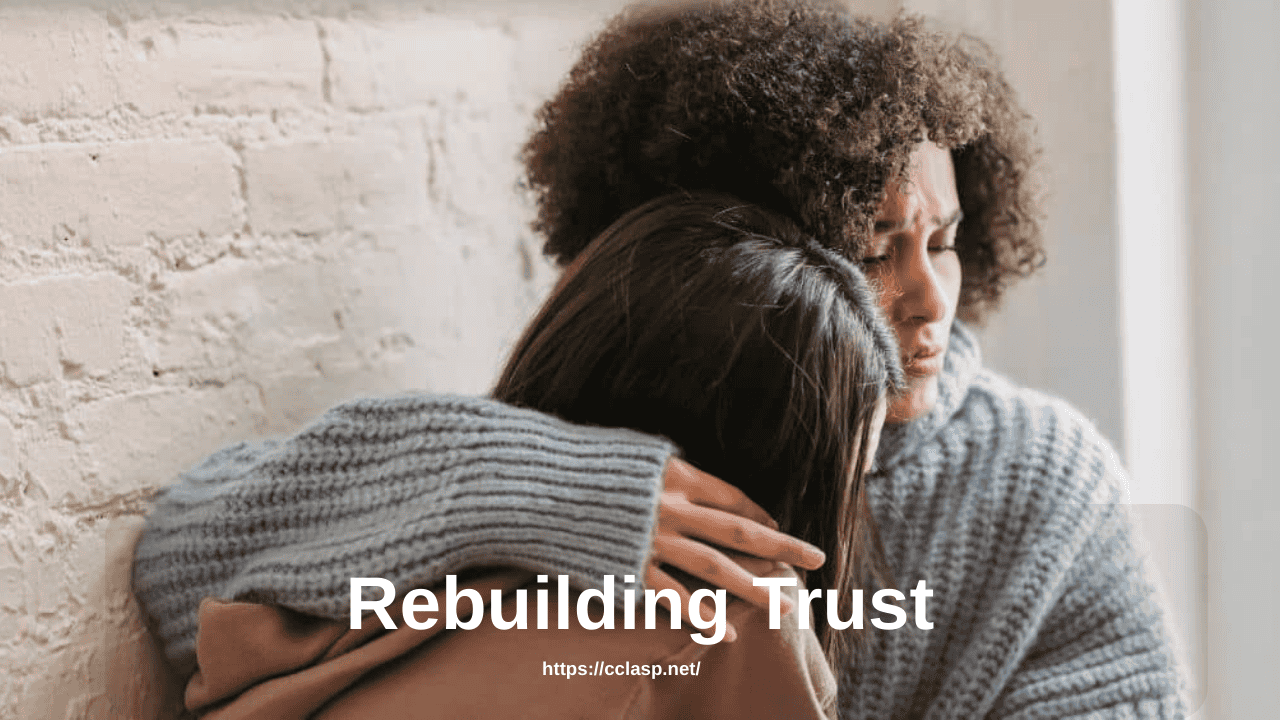
Addiction can fracture even the strongest family bonds. When a teenager struggles with substance use, parents often feel betrayed, hurt, and fearful. Teens, in turn, may feel misunderstood, judged, or ashamed. The result is a strained relationship marked by mistrust on both sides. Yet recovery is not only about breaking free from drugs or alcohol—it is also about restoring the emotional connections that addiction damages. At CCLASP, we believe healing the parent-teen relationship is essential to long-term recovery, and with patience, honesty, and support, trust can be rebuilt.
Understanding the Impact of Addiction on Trust
Addiction often leads to secrecy, dishonesty, and broken promises. Parents may discover lies about whereabouts, missing money, or continued drug use despite repeated assurances. Teens may feel pressured by expectations, criticized, or disconnected from their families. These cycles of disappointment and hurt create a wall between parent and child. Acknowledging this impact openly is the first step toward repair.
Steps Toward Rebuilding Trust
Practice Open and Respectful Communication
Rebuilding trust starts with honest dialogue. Parents should approach conversations with a calm and nonjudgmental tone. Statements such as, “I want to understand your experience and support you,” communicate care without fueling defensiveness. Encouraging your teen to share their perspective helps restore mutual respect and shows that their voice matters in the healing process.
Set Clear but Compassionate Boundaries
Boundaries are vital for recovery. They create structure while also signaling commitment to a healthier future. Rules about curfews, drug-free environments, and accountability can be implemented without hostility. When boundaries are paired with consistent love, they provide both safety and stability. Teens learn that respect and trust go hand in hand with freedom.
Focus on Actions, Not Just Promises
Promises often lose meaning during addiction. Parents can rebuild trust by paying attention to consistent actions. Celebrate small victories such as attending therapy, completing schoolwork, or honoring commitments. Recognizing progress reinforces accountability and shows teens that trust grows through consistent effort over time.
The Role of Professional Support
Family Therapy for Lasting Healing
Family therapy provides a safe environment for honest conversations guided by a trained professional. These sessions help parents and teens address past wounds, improve communication skills, and create new patterns of interaction. Families often find that therapy allows them to say what they could not express at home, laying a foundation for renewed trust.
Holistic and Faith-Based Approaches
CCLASP integrates holistic and faith-based care that strengthens not just the individual but the entire family unit. Practices like prayer, meditation, and family-centered therapy provide emotional grounding and spiritual renewal. By addressing mind, body, and spirit, families are better equipped to heal broken trust and move forward with resilience.
Healing Takes Time and Patience
Trust is not rebuilt overnight. Both parents and teens must understand that setbacks may occur, and patience is required. What matters most is consistency—showing up, listening, and practicing forgiveness. Every honest conversation, every fulfilled commitment, and every act of compassion moves the relationship closer to restoration.
Conclusion
Rebuilding trust after addiction is one of the most challenging yet rewarding parts of recovery. While the process takes time, it also creates opportunities for deeper connection and stronger bonds. With professional support, holistic healing, and faith-based care, families can overcome the fractures of addiction and rediscover hope together. If your family is ready to begin this journey, reach out to CCLASP today. Together, we can help you restore trust and rebuild the foundation of love and resilience your family deserves.