25
Sep

The Road to Recovery: Treatment Options for Teenage Addiction

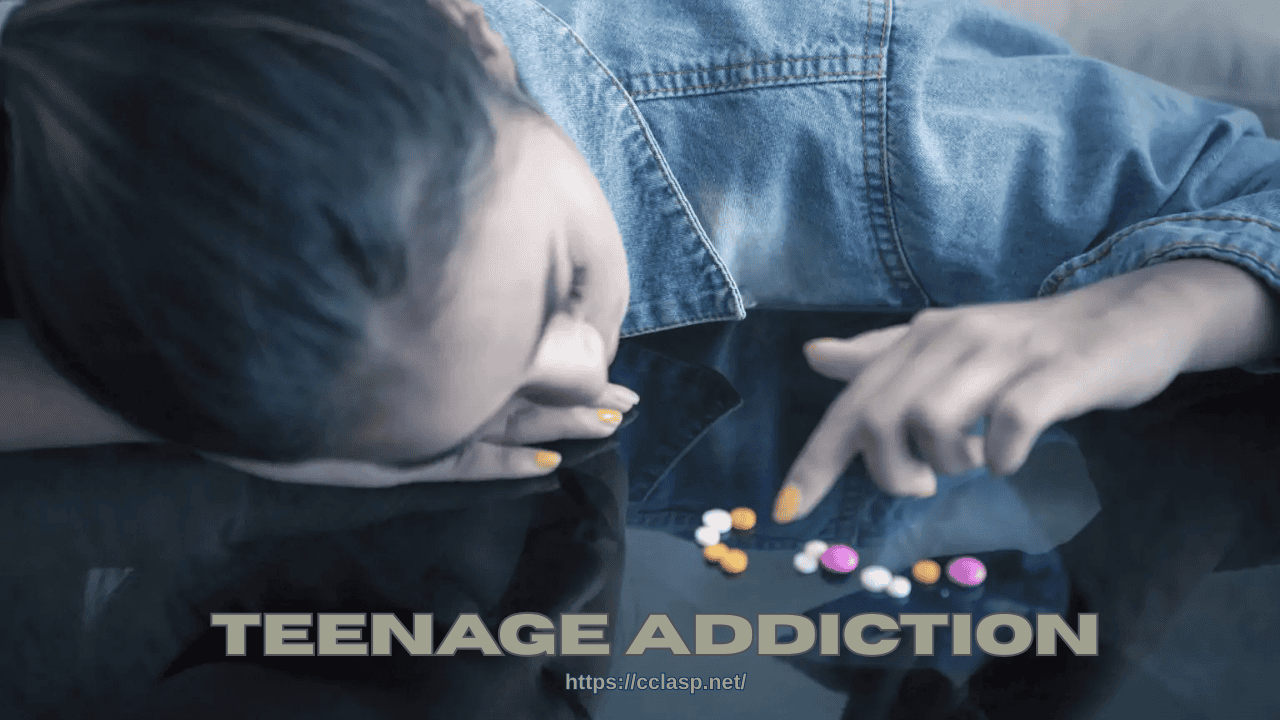
Teenage addiction is one of the most difficult challenges a family can face. Parents often feel overwhelmed, unsure where to turn, and fearful of what the future holds. Yet recovery is possible, and the earlier treatment begins, the better the outcomes. The road to healing requires more than willpower—it involves structured support, compassionate guidance, and treatment approaches designed specifically for adolescents. At CCLASP, we offer addiction recovery services and mental health care that are holistic, faith-based, and individualized to meet each family’s unique needs.

Understanding Teenage Addiction

Substance use among teens is often rooted in more than experimentation. Many young people turn to drugs or alcohol to cope with academic stress, social pressure, trauma, or underlying mental health conditions like depression or anxiety. Recognizing these deeper issues is critical to developing an effective treatment plan. Successful recovery focuses not just on stopping substance use but also on healing the emotional and psychological struggles that fuel it.

Treatment Options for Teens

Inpatient Treatment

Inpatient or residential treatment provides a safe, structured environment where teens can step away from triggers and focus entirely on recovery. This option is especially effective for severe addiction or when safety is a concern. At CCLASP, inpatient care combines medical supervision, counseling, and holistic therapies to address the physical, emotional, and spiritual needs of each teen.

Outpatient Programs

Outpatient care allows teens to continue living at home while attending scheduled therapy sessions and support groups. This option is well-suited for those who need professional help but also benefit from staying connected to family and school. Outpatient programs provide flexibility while ensuring accountability and ongoing support.

Individualized Therapy

Every teenager’s story is different, which is why one-on-one therapy is essential. Through counseling, teens can explore the root causes of their substance use, learn healthier coping strategies, and develop tools to handle stress. Therapists trained in adolescent care can help young people build resilience and confidence for long-term recovery.

Family Therapy

Addiction affects the entire household, and recovery works best when families heal together. Family therapy sessions rebuild communication, repair broken trust, and teach parents how to set healthy boundaries while remaining supportive. This collaborative approach creates a stronger foundation for lasting recovery.

Holistic and Faith-Based Support

True healing requires addressing the whole person. At CCLASP, we incorporate holistic practices such as mindfulness, wellness activities, and faith-based counseling to nurture the spirit as well as the mind and body. Families often find that integrating spiritual growth into treatment provides renewed strength, meaning, and hope.

Choosing the Right Path

Every teen is unique, and so is their recovery journey. The right treatment plan depends on the severity of the addiction, the presence of co-occurring mental health conditions, and the family’s circumstances. Working with professionals who specialize in adolescent care ensures that treatment is personalized and effective.

Moving Forward with Hope

While teenage addiction may feel like an uphill battle, it does not define your child’s future. With the right treatment, consistent support, and a holistic approach, recovery is within reach. Families who seek help often find that what begins as a crisis becomes an opportunity for growth, resilience, and renewed connection.

Conclusion

The road to recovery is not one your teen has to walk alone. At CCLASP, we provide inpatient and outpatient treatment, individualized therapy, and faith-based care that support both teens and their families. If your teenager is struggling with addiction, reach out today. Together, we can begin the journey toward healing, hope, and lasting recovery.

17
Sep

Rebuilding Trust: How to Heal a Broken Parent-Teen Relationship After Addiction

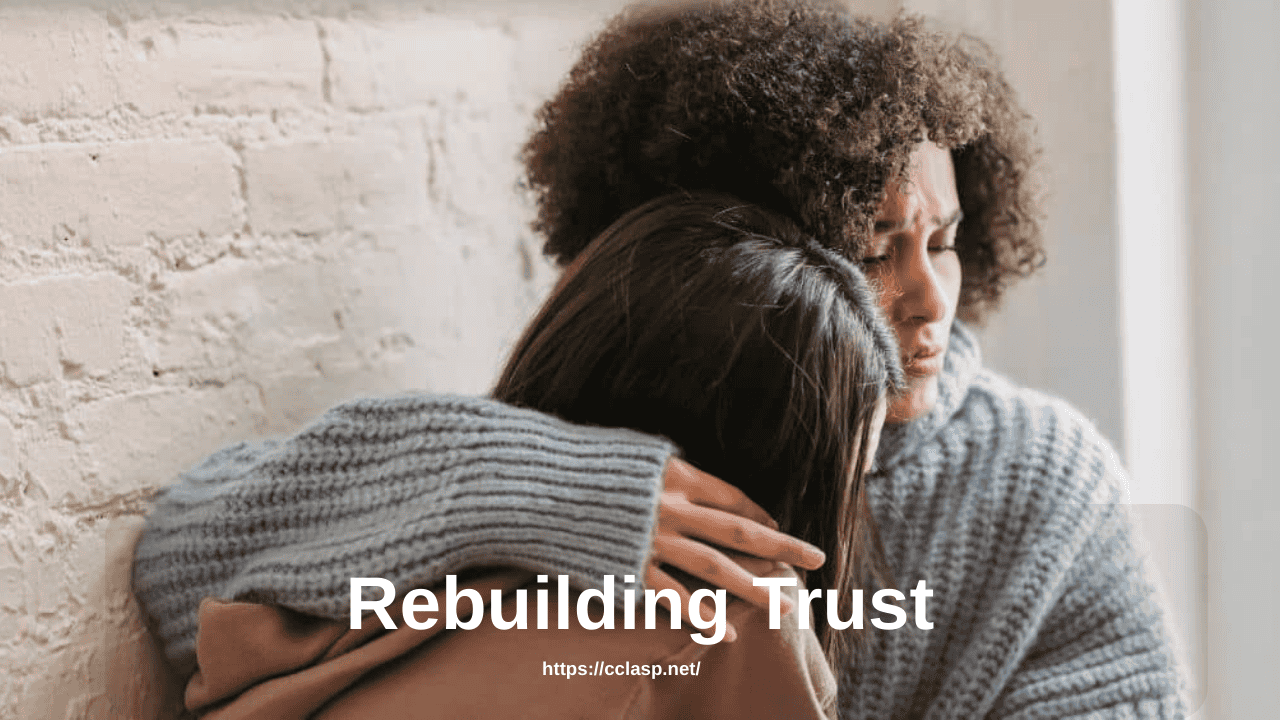
Addiction can fracture even the strongest family bonds. When a teenager struggles with substance use, parents often feel betrayed, hurt, and fearful. Teens, in turn, may feel misunderstood, judged, or ashamed. The result is a strained relationship marked by mistrust on both sides. Yet recovery is not only about breaking free from drugs or alcohol—it is also about restoring the emotional connections that addiction damages. At CCLASP, we believe healing the parent-teen relationship is essential to long-term recovery, and with patience, honesty, and support, trust can be rebuilt.

Understanding the Impact of Addiction on Trust

Addiction often leads to secrecy, dishonesty, and broken promises. Parents may discover lies about whereabouts, missing money, or continued drug use despite repeated assurances. Teens may feel pressured by expectations, criticized, or disconnected from their families. These cycles of disappointment and hurt create a wall between parent and child. Acknowledging this impact openly is the first step toward repair.

Steps Toward Rebuilding Trust

Practice Open and Respectful Communication

Rebuilding trust starts with honest dialogue. Parents should approach conversations with a calm and nonjudgmental tone. Statements such as, “I want to understand your experience and support you,” communicate care without fueling defensiveness. Encouraging your teen to share their perspective helps restore mutual respect and shows that their voice matters in the healing process.

Set Clear but Compassionate Boundaries

Boundaries are vital for recovery. They create structure while also signaling commitment to a healthier future. Rules about curfews, drug-free environments, and accountability can be implemented without hostility. When boundaries are paired with consistent love, they provide both safety and stability. Teens learn that respect and trust go hand in hand with freedom.

Focus on Actions, Not Just Promises

Promises often lose meaning during addiction. Parents can rebuild trust by paying attention to consistent actions. Celebrate small victories such as attending therapy, completing schoolwork, or honoring commitments. Recognizing progress reinforces accountability and shows teens that trust grows through consistent effort over time.

The Role of Professional Support

Family Therapy for Lasting Healing

Family therapy provides a safe environment for honest conversations guided by a trained professional. These sessions help parents and teens address past wounds, improve communication skills, and create new patterns of interaction. Families often find that therapy allows them to say what they could not express at home, laying a foundation for renewed trust.

Holistic and Faith-Based Approaches

CCLASP integrates holistic and faith-based care that strengthens not just the individual but the entire family unit. Practices like prayer, meditation, and family-centered therapy provide emotional grounding and spiritual renewal. By addressing mind, body, and spirit, families are better equipped to heal broken trust and move forward with resilience.

Healing Takes Time and Patience

Trust is not rebuilt overnight. Both parents and teens must understand that setbacks may occur, and patience is required. What matters most is consistency—showing up, listening, and practicing forgiveness. Every honest conversation, every fulfilled commitment, and every act of compassion moves the relationship closer to restoration.

Conclusion

Rebuilding trust after addiction is one of the most challenging yet rewarding parts of recovery. While the process takes time, it also creates opportunities for deeper connection and stronger bonds. With professional support, holistic healing, and faith-based care, families can overcome the fractures of addiction and rediscover hope together. If your family is ready to begin this journey, reach out to CCLASP today. Together, we can help you restore trust and rebuild the foundation of love and resilience your family deserves.

4
Sep

Parenting an Addicted Teen: Coping Strategies for Overwhelmed Families

Parenting a teenager is challenging enough, but when addiction enters the picture, the weight on families can feel unbearable. Many parents describe the experience as living on an emotional rollercoaster—one moment clinging to hope, the next consumed by fear or frustration. If you are parenting an addicted teen, you are not alone. With the right strategies and support, families can find stability, healing, and a path forward. At CCLASP, we specialize in addiction recovery and mental health treatment that is compassionate, holistic, and tailored to each family’s unique needs.

Understanding the Emotional Toll of Teen Addiction

When a teen is struggling with drugs or alcohol, the entire family is affected. Parents often battle guilt, wondering where they went wrong. Siblings may feel neglected or resentful. Stress and conflict can overwhelm the household. Recognizing the emotional toll is the first step toward healing. Accepting that addiction is not a moral failing but a complex disease allows families to shift from blame to constructive action.

Coping Strategies for Parents

Prioritize Open Communication

Even when your teen resists, keep the lines of communication open. Instead of lecturing or reacting with anger, use calm, supportive language. A statement such as, “I am worried about you and want to understand what you’re going through” communicates love and concern without judgment. Over time, consistency in communication helps rebuild trust.

Set Healthy Boundaries

Boundaries protect both your teen and your family. These may include rules about curfews, drug use in the home, or financial support. Boundaries should be firm but fair, enforced with love rather than punishment. This balance of compassion and accountability creates structure that encourages responsibility.

Seek Professional Guidance

Addiction is rarely something a family can resolve on its own. Professional support is crucial. At CCLASP, we offer inpatient and outpatient programs that address both substance use and co-occurring mental health conditions. Our individualized care plans include therapy, group support, and holistic practices that help teens heal at every level—mind, body, and spirit.

Take Care of Yourself

Parents often pour all their energy into helping their child and neglect their own needs. Self-care is not selfish. Attending a support group, seeking counseling, or simply taking time for rest strengthens your ability to support your teen. Remember, you cannot pour from an empty cup.

Strategies for the Whole Family

Engage in Family Therapy

Addiction affects relationships, trust, and communication. Family therapy provides a safe space to address these issues, rebuild bonds, and learn healthier ways to cope together. Families that heal collectively create an environment where recovery is more sustainable.

Involve Siblings in the Healing Process

Siblings often feel overlooked during addiction crises. Including them in therapy and support groups gives them a voice and ensures they, too, are cared for during the process.

Lean on Faith and Holistic Support

Many families find strength in faith-based practices, prayer, or meditation. At CCLASP, we incorporate holistic approaches that nurture spiritual resilience alongside medical and therapeutic care. These practices provide comfort and renewal for both teens and parents.

Moving from Overwhelm to Hope

Parenting an addicted teen is a journey filled with challenges, but it is also a journey of resilience. With compassion, structure, professional care, and family-wide support, recovery is possible. You do not have to carry the burden alone.

Conclusion

If you feel overwhelmed by your teen’s addiction, take the first step toward healing today. Reach out to CCLASP for guidance and support rooted in compassion, holistic care, and individualized treatment. Together, we can help your family move from fear and exhaustion to strength and hope.