Discovering that your teenager may be experimenting with or actively using drugs can be one of the most frightening moments in a parent’s life. Feelings of confusion, fear, and even guilt often follow, leaving families unsure of what to do next. The good news is that help is available, and with the right support, healing and recovery are possible. At CCLASP, we walk alongside families through addiction recovery, mental health treatment, and holistic, faith-based care designed to restore hope and rebuild lives.
Recognizing the Signs of Teen Drug Use
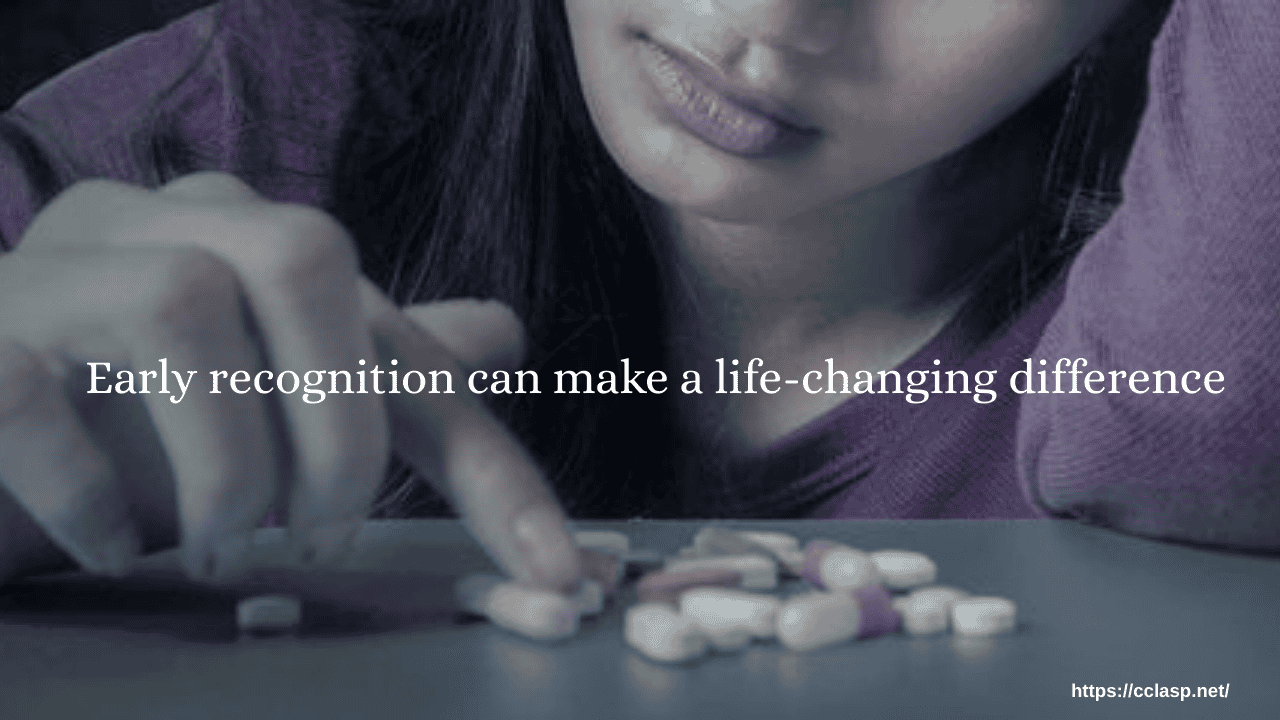
Early recognition can make a life-changing difference. Many parents initially overlook subtle changes, assuming they are typical teenage behaviors. However, persistent or drastic shifts may point to something deeper.
Behavioral Signs
- Withdrawal from family or old friends
- Declining school performance or skipping classes
- Secretive or deceptive behavior
- Sudden mood swings, irritability, or unexplained anger
Physical Signs
- Bloodshot eyes or dilated pupils
- Noticeable weight changes or poor hygiene
- Unusual fatigue or hyperactivity
- Unexplained bruises or injuries
Emotional and Social Signs
- Loss of interest in hobbies and activities once enjoyed
- Sudden change in friend groups
- Increased anxiety, depression, or paranoia
- Strong defensiveness when asked about daily activities
While none of these signs alone prove drug use, patterns across multiple areas are strong indicators that it is time to take action.
Why Teens Turn to Drugs
Understanding the “why” behind drug use helps parents respond with empathy rather than only discipline. Teens may experiment due to peer pressure, curiosity, or a desire to escape stress. Others may turn to substances to cope with underlying mental health issues like depression, anxiety, or trauma. Recognizing these root causes is vital in addressing both the addiction and the emotional pain driving it.
Taking the First Step: How to Respond
Approaching your teen with compassion is key. While it may feel natural to react with anger or fear, starting from a place of open communication helps your child feel heard rather than attacked. Try to use calm, nonjudgmental language:
“I’ve noticed some changes that worry me, and I want to understand what you’re going through. I love you and want to help.”
This type of approach fosters trust and can be the first step toward your teen accepting support.
Solutions: Treatment and Support That Work
Professional Assessment and Care
If you suspect your teen is using drugs, professional help is essential. At CCLASP, we provide thorough assessments that guide families toward the most effective level of care, whether inpatient treatment for safety and structure or outpatient programs that allow teens to remain at home.
Holistic and Faith-Based Healing
True recovery goes beyond treating symptoms. Our approach addresses the whole person—mind, body, and spirit. Through counseling, group therapy, family involvement, and faith-based support, we help teens develop healthy coping skills and rediscover their sense of purpose.
Family-Centered Recovery
Addiction affects the entire family. That is why our programs emphasize family therapy, parent support, and ongoing education. Healing together strengthens relationships and builds a foundation that supports long-term recovery.
Moving Forward with Hope
Facing teen drug use can feel overwhelming, but you do not have to face it alone. By recognizing the signs, understanding the root causes, and seeking professional, holistic care, you can help your teen find a path to healing. At CCLASP, we believe that recovery is always possible, and every family deserves compassion and hope on the journey.
Conclusion
If you are worried that your teenager may be using drugs, take the next step today. Reach out to CCLASP for guidance, assessment, and compassionate care that puts your family first. Together, we can move from fear to hope, building a future filled with healing and strength.