
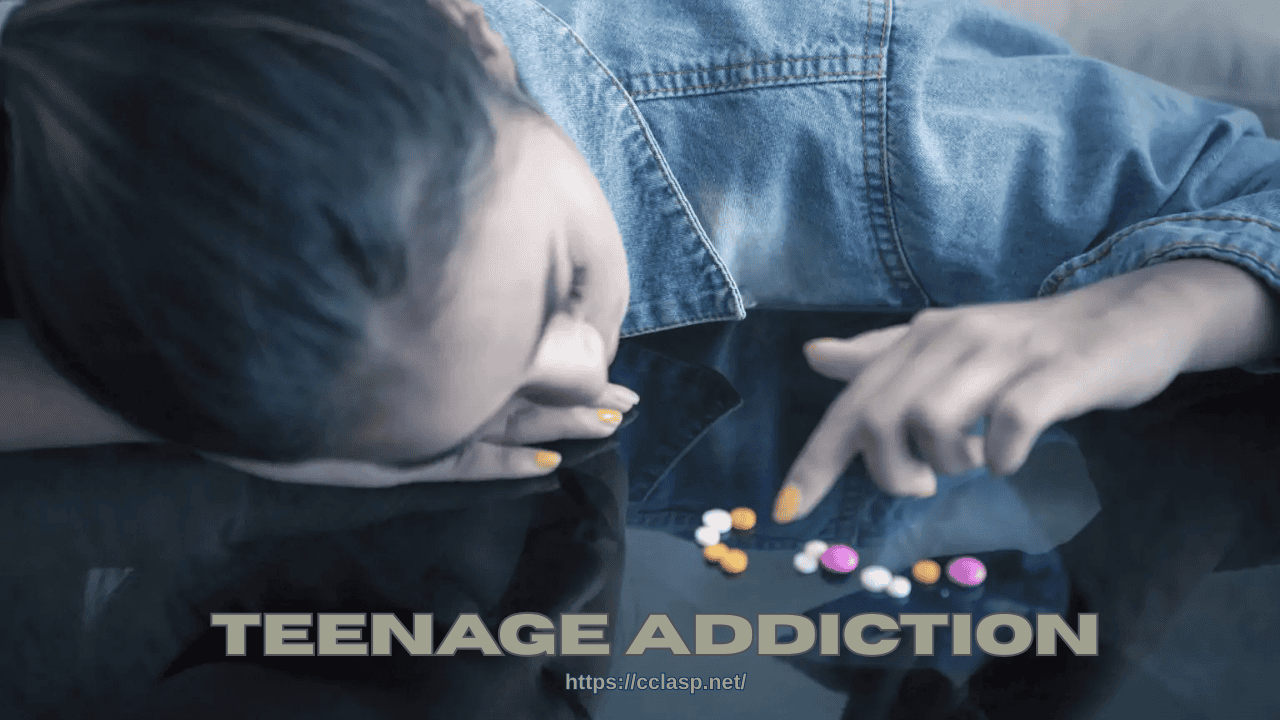
Teenage addiction is one of the most difficult challenges a family can face. Parents often feel overwhelmed, unsure where to turn, and fearful of what the future holds. Yet recovery is possible, and the earlier treatment begins, the better the outcomes. The road to healing requires more than willpower—it involves structured support, compassionate guidance, and treatment approaches designed specifically for adolescents. At CCLASP, we offer addiction recovery services and mental health care that are holistic, faith-based, and individualized to meet each family’s unique needs.
Understanding Teenage Addiction
Substance use among teens is often rooted in more than experimentation. Many young people turn to drugs or alcohol to cope with academic stress, social pressure, trauma, or underlying mental health conditions like depression or anxiety. Recognizing these deeper issues is critical to developing an effective treatment plan. Successful recovery focuses not just on stopping substance use but also on healing the emotional and psychological struggles that fuel it.
Treatment Options for Teens
Inpatient Treatment
Inpatient or residential treatment provides a safe, structured environment where teens can step away from triggers and focus entirely on recovery. This option is especially effective for severe addiction or when safety is a concern. At CCLASP, inpatient care combines medical supervision, counseling, and holistic therapies to address the physical, emotional, and spiritual needs of each teen.
Outpatient Programs
Outpatient care allows teens to continue living at home while attending scheduled therapy sessions and support groups. This option is well-suited for those who need professional help but also benefit from staying connected to family and school. Outpatient programs provide flexibility while ensuring accountability and ongoing support.
Individualized Therapy
Every teenager’s story is different, which is why one-on-one therapy is essential. Through counseling, teens can explore the root causes of their substance use, learn healthier coping strategies, and develop tools to handle stress. Therapists trained in adolescent care can help young people build resilience and confidence for long-term recovery.
Family Therapy
Addiction affects the entire household, and recovery works best when families heal together. Family therapy sessions rebuild communication, repair broken trust, and teach parents how to set healthy boundaries while remaining supportive. This collaborative approach creates a stronger foundation for lasting recovery.
Holistic and Faith-Based Support
True healing requires addressing the whole person. At CCLASP, we incorporate holistic practices such as mindfulness, wellness activities, and faith-based counseling to nurture the spirit as well as the mind and body. Families often find that integrating spiritual growth into treatment provides renewed strength, meaning, and hope.
Choosing the Right Path
Every teen is unique, and so is their recovery journey. The right treatment plan depends on the severity of the addiction, the presence of co-occurring mental health conditions, and the family’s circumstances. Working with professionals who specialize in adolescent care ensures that treatment is personalized and effective.
Moving Forward with Hope
While teenage addiction may feel like an uphill battle, it does not define your child’s future. With the right treatment, consistent support, and a holistic approach, recovery is within reach. Families who seek help often find that what begins as a crisis becomes an opportunity for growth, resilience, and renewed connection.
Conclusion
The road to recovery is not one your teen has to walk alone. At CCLASP, we provide inpatient and outpatient treatment, individualized therapy, and faith-based care that support both teens and their families. If your teenager is struggling with addiction, reach out today. Together, we can begin the journey toward healing, hope, and lasting recovery.